September 2026 Satellite Puzzler
Here’s the August 2026 puzzler. Quick, where is this? And what makes this place interesting or unique?.
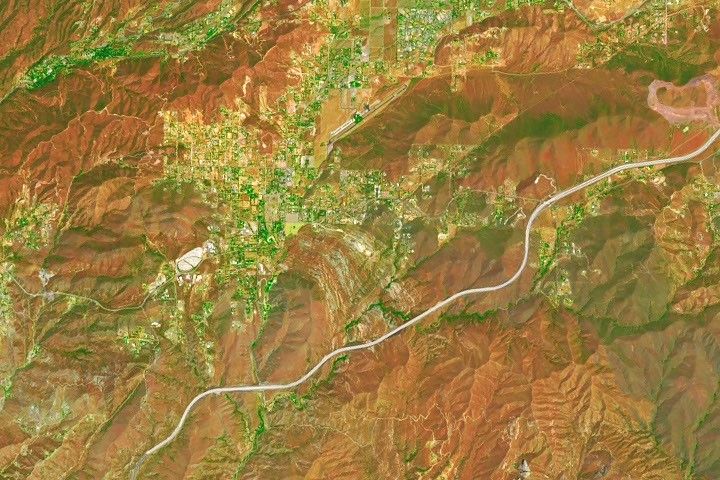
Here’s the August 2026 puzzler. Quick, where is this? And what makes this place interesting or unique?.

August 31, 2026— Washington, D.C.—The Commercial Space Federation (CSF) is pleased to welcome Outlier and Rendezvous Robotics as its newest Associate Members, bringing expertise in reusable satellite platforms and adaptable […] The post Commercial Space Federation (CSF) Welcomes Two New Associate Members appeared first on SpaceNews..

The observatory will shed new light on the mystery of dark energy, observe distant exoplanets, and explore the structure of the universe..
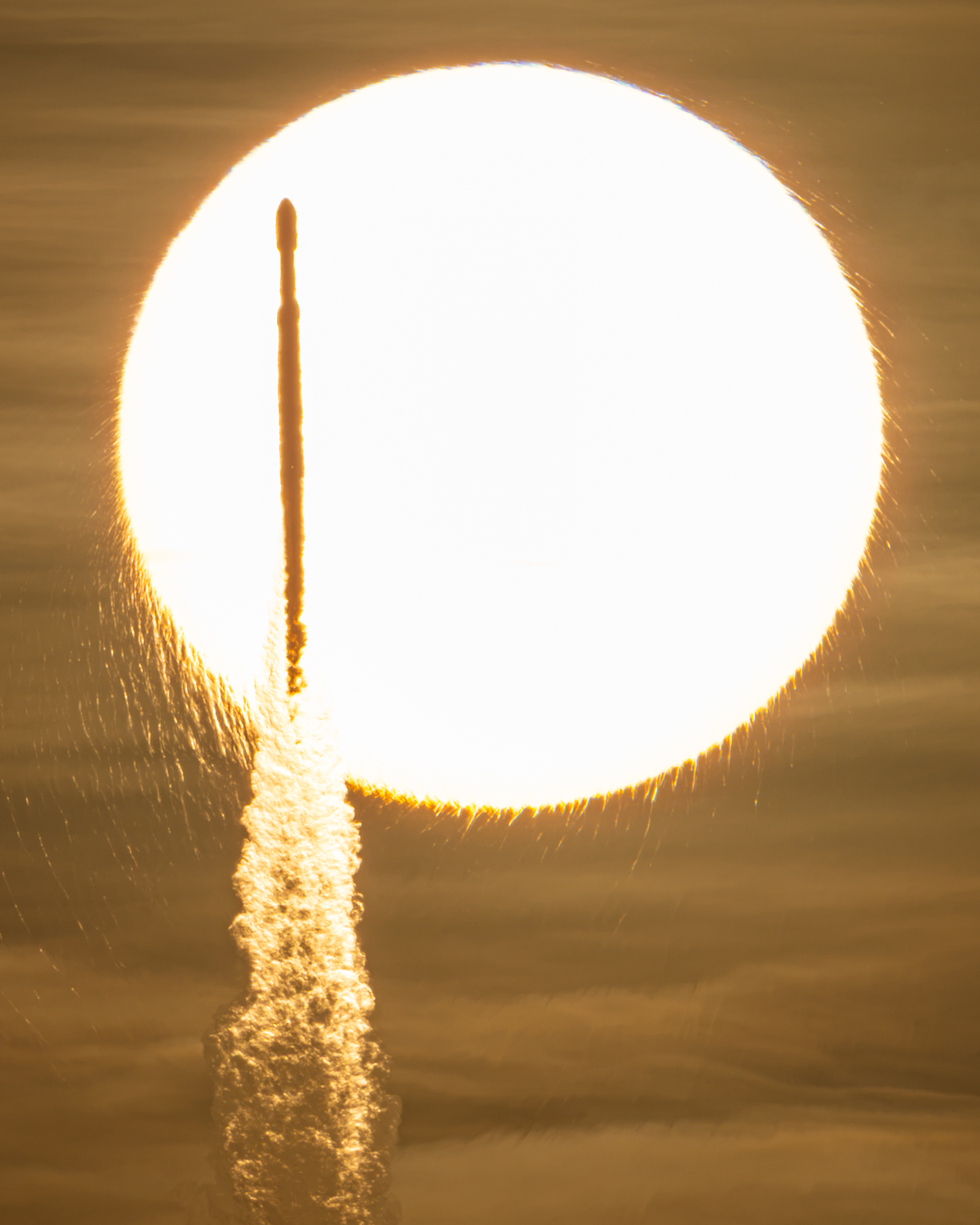
NASA’s Nancy Grace Roman Space Telescope, aboard a SpaceX Falcon Heavy rocket, transits the Sun during launch from the agency’s Kennedy Space Center in Florida on Aug. 30, 2026. Roman is named after the agency’s first chief astronomer. Roman will survey billions of stars and galaxies with a field of view far larger than Hubble’s, […].

Rewatch the European Space Agency's 31 August 2026 online press briefing on the latest developments of the ESA/JAXA BepiColombo mission, Europe's and Japan's first mission to Mercury..

I have spent much of my career looking at the defense industrial base from different vantage points: as a warfighter, inside major defense companies, and now leading a company whose […] The post Speed to Field Starts Below the Prime appeared first on SpaceNews..

August was a busy month for ESA, between spectacular views, historic milestones and exciting new discoveries. .
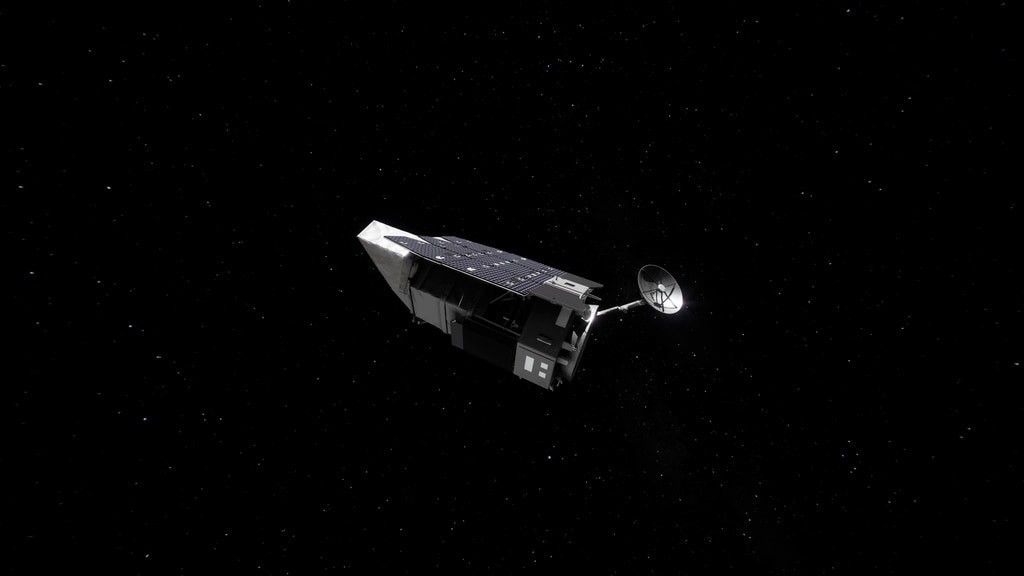
Where is Roman? Roman is making its three-month journey from Earth to Sun-Earth Lagrange Point 2, or L2. Along the way, Roman is undergoing a process called commissioning, where systems are turned on, adjusted, calibrated, and prepared for science operations. Commissioning is the time for scientists and engineers to make sure that Roman is performing […].

With thousands of emergency responders conducting search-and-rescue operations following the catastrophic flash flood that struck northern Nepal on 26 August, satellite imagery is helping to reveal the scale of the inundation and devastation across the affected region..
European satellite operator SES has awarded OHB a contract worth almost €1 billion to develop and build satellite platforms for the medium Earth orbit component of Europe’s €15.6 billion IRIS2 secure communications constellation. OHB announced that it had been awarded the contract on 31 August, describing it as the first major industrial order awarded since […] The post SES Awards OHB €1 billion for IRIS2 MEO Satellites appeared first on European Spaceflight..